Australia
 Canada
 Cayman Islands
 Dominican Republic
 India
 Indonesia
 Ireland
 Jamaica
 New Zealand
 Singapore
 Thailand
 United Kingdom
 United States
 Vietnam

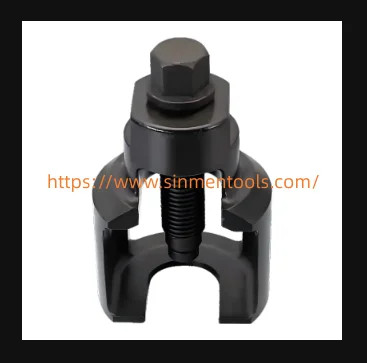
Removing a tightly fitted gear can be a delicate task, especially when surrounding components must remain intact for reuse. When technicians choose a Gear Puller, they need to consider the shape of the part, available working space, contact points, and the control required during removal. Selecting a tool that matches the job helps make disassembly more predictable and reduces the temptation to rely on improvised methods that may damage equipment or create unnecessary safety risks.
Material selection influences how a puller responds to repeated mechanical use. The body, arms, hooks, and central forcing component all experience different forms of stress during operation. Suitable metal construction and appropriate heat treatment can contribute to strength, wear resistance, and structural stability. However, the performance of a finished tool depends on more than the raw material alone. Manufacturing quality, component geometry, surface treatment, and assembly accuracy also affect how the tool behaves under working conditions.
The shape of the pulling arms is particularly important because the arms must engage the component securely. Different gear assemblies offer different amounts of clearance behind the part, and the available contact points may be limited by nearby housings or shafts. A design that works well on an exposed component may be unsuitable where access is restricted. Before selecting a tool, technicians should examine the assembly and determine whether the arms can reach a stable engagement point without interfering with adjacent parts.
Buyers should also compare puller styles according to the task. Two-arm designs may be useful for certain accessible components, while three-arm arrangements can provide additional contact points when the geometry allows them to sit correctly. Some jobs require a compact configuration, whereas others benefit from a tool designed for more specialised removal work. The number of arms alone does not determine suitability. Their shape, reach, opening arrangement, and ability to remain positioned during use all deserve attention.
A central forcing screw translates applied turning force into pulling action. Its threads, contact surface, and alignment influence how smoothly the tool operates. The screw should remain aligned with the shaft or central point specified by the tool's design, while the arms maintain secure contact with the component being removed. Poor alignment can introduce uneven loading and cause the tool to slip or place unwanted stress on nearby parts. Following the manufacturer's instructions is therefore an essential part of effective operation.
Surface finish and component fit also affect the user's experience. Smoothly finished moving parts can be easier to handle, while clearly defined contact surfaces help technicians position the tool more accurately. A practical design should allow users to inspect the engagement points and identify whether the arms are seated correctly before force is applied. These details are especially useful in workshops where tools are shared among technicians and must be understood quickly by different users.
The best purchasing decision begins with the actual maintenance application rather than a general preference for one tool style. Buyers should identify the types of gears or other fitted components they service, the surrounding clearance, the expected frequency of use, and the condition of the parts being removed. They should also check whether the tool is intended for the specific application and whether any additional accessories are needed. Clear communication with a supplier helps prevent a mismatch between the tool's design and the work it is expected to perform.
Durability should be considered alongside inspection and care. Threads can collect dirt, moving joints may develop wear, and contact surfaces can become damaged through repeated use or improper storage. Cleaning the tool after use, checking components before each operation, and following the recommended maintenance procedure can help technicians identify problems early. A puller with bent arms, damaged threads, or worn contact points should not be used until it has been properly assessed. Keeping tools organised also makes it easier to select the correct design for each job.
Safety depends on the entire removal process, not simply on the tool's construction. Technicians should secure the workpiece, protect themselves from components that may release suddenly, and use appropriate protective equipment. The pulling force should be applied in accordance with the tool manufacturer's guidance, without adding improvised extensions or exceeding the tool's intended use. If a component does not move as expected, stopping to reassess alignment, corrosion, or the assembly method is preferable to applying uncontrolled force.
Tool appearance can also reflect practical design priorities. Clearly shaped arms, accessible adjustment points, and a layout that makes the working direction easy to understand can help users recognise how the tool should be positioned. For professional workshops, a coherent range of tools can make storage and selection more straightforward, while suitable surface protection can help maintain condition between jobs. These design considerations support a more organised maintenance environment without replacing the need for correct tool selection and safe working practices.
Taizhou Xinming Technology Co., Ltd. provides a starting point for businesses exploring tools for mechanical work and equipment maintenance. Buyers can review available products and discuss their intended applications, component shapes, and working conditions when assessing suitable options. More information about the company's tools is available at www.sinmentools.com