Australia
 Canada
 Cayman Islands
 Dominican Republic
 India
 Indonesia
 Ireland
 Jamaica
 New Zealand
 Singapore
 Thailand
 United Kingdom
 United States
 Vietnam

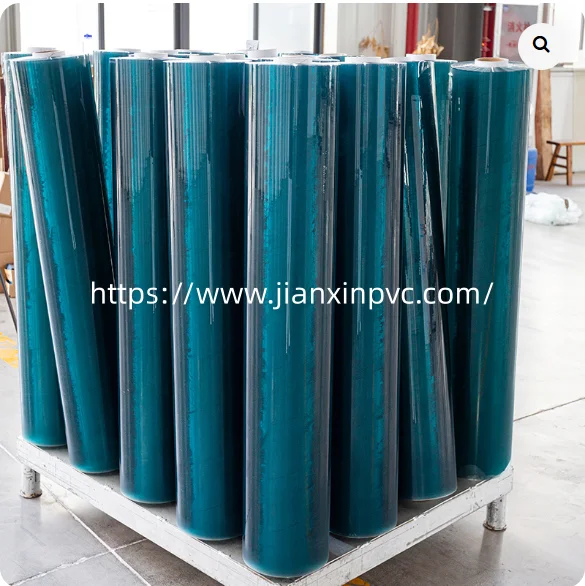
Toy manufacturing brings together creative design, material engineering, and production planning. From decorative surfaces to flexible components, the materials used in a toy can influence its appearance, handling, and suitability for different product concepts. In this context, PVC Toy Film can be considered for applications where a plastic film needs to contribute to a particular texture, color scheme, or formed shape. Its role depends on the intended product, the processing method, and the relationship between the film and other components. Understanding these factors helps manufacturers make material decisions that support both product development and consistent production.
Material selection begins with understanding how a film behaves during manufacturing and use. PVC, or polyvinyl chloride, can be formulated to provide different levels of flexibility and surface characteristics. Plasticizers and other formulation components influence how the material bends, while stabilizers and processing aids can contribute to manufacturing performance. Surface treatments and finishing methods may also affect the film's visual appearance and interaction with printing or other decorative processes. The appropriate formulation depends on the product's structure and intended application rather than on the material name alone. Manufacturers should also assess material documentation, chemical compliance, and suitability for the relevant market, particularly when the finished product is intended for children.
Choosing a suitable film requires a clear understanding of the final toy and its production process. Designers should consider whether the material will form a flexible covering, a decorative layer, or part of a shaped component. They should also examine how the film will be cut, printed, bonded, or formed, as different manufacturing methods create different material requirements. Color consistency, surface finish, flexibility, and compatibility with adjoining components can all influence the final result. Before committing to large-scale production, manufacturers may benefit from evaluating samples under representative processing conditions. This helps reveal issues such as unwanted surface changes, poor adhesion, or difficulty maintaining the intended shape. Supplier communication is valuable when a project involves a distinctive appearance or a specialized manufacturing process.
The technical performance of plastic film depends on both its formulation and the way it is processed. During forming, heat and pressure may be used to help the material take on a required shape, while printing or surface finishing can create visual details that support a toy's theme. The film must respond appropriately to the selected process without creating avoidable defects in the finished component. Cutting and joining operations also require attention to edge quality, surface condition, and the compatibility of connected materials. In some designs, the film works alongside molded plastics, textiles, adhesives, or other substrates. Testing the complete combination is more informative than assessing the film in isolation because the interaction between materials can influence the appearance and performance of the finished product.
The user experience starts with the way a toy looks and feels. Surface texture, flexibility, color, and the quality of finished edges can shape a child's perception of a product, while parents and retailers may pay attention to cleanliness, construction, and visible signs of wear. A film used as a covering should suit the product's intended handling conditions and remain compatible with its supporting structure. Manufacturers should avoid assuming that a visually attractive material is automatically appropriate for every toy. Products intended for children require careful assessment of applicable toy safety requirements, chemical restrictions, small-part risks, and foreseeable patterns of use. Testing and compliance checks should address the finished product as well as the individual materials incorporated into it.
Design and appearance offer manufacturers considerable creative flexibility. A film's color, gloss, opacity, and surface texture can help establish a recognizable visual identity for a toy collection. Smooth finishes may support a clean, contemporary style, while textured surfaces can introduce visual depth or distinguish different product areas. Printed patterns, themed graphics, and coordinated colors may also help designers connect a toy's appearance with its intended audience. The material should work with the overall shape and construction rather than simply decorate the exterior. Designers need to consider how folds, curves, joints, and edges affect the finished surface, especially when the film is applied to a three-dimensional form. Practical design reviews can identify where visual goals need to be balanced with manufacturing feasibility and product safety.
Production planning also benefits from a structured approach to supplier evaluation. Buyers can ask about available material types, customization options, sample development, quality inspection, and documentation supporting the intended application. Clear communication about the film's purpose, processing method, preferred finish, and target market helps suppliers provide more relevant recommendations. Consistency between sample approval and production batches is another important consideration, since noticeable differences in color or surface quality can affect an entire product range. Manufacturers should establish appropriate incoming-material checks and maintain quality procedures suited to their products. These practices support better coordination between material sourcing, product design, and factory operations.
Zhejiang Jianxin Plastic Co., Ltd. works in the PVC film sector, where material selection and processing suitability are important considerations for product manufacturers. Businesses exploring film for toy-related applications can discuss their design concept, desired surface appearance, forming or printing process, and relevant compliance requirements when evaluating potential materials. Reviewing samples and technical documentation can help clarify whether a particular film is suitable for the intended product and production workflow. More information about the company's PVC film products and material options is available at jianxinpvc.com